21.05.2027 19:00
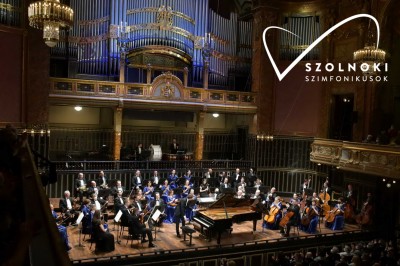
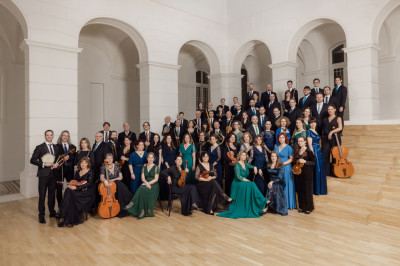
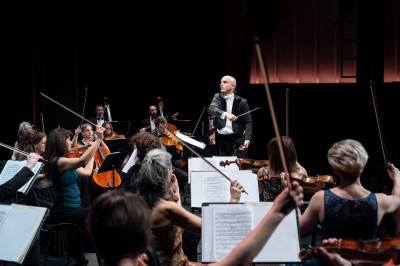
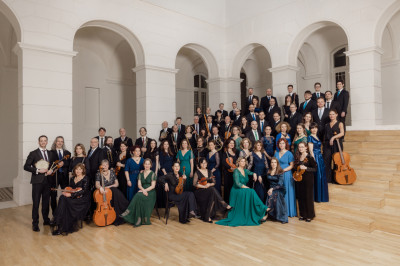
Eger Symphony Orchestra
Eger, Egri Bazilika
Filharmonia Season Ticket - Eger
Season tickets


Tickets can be purchased at the Gárdonyi Géza Theatre box office (Hatvani Kapu Sq. 4, Eger; +36 36 518 347; szervezes@gardonyiszinhaz.hu), at the venue before the concert, and online at www.jegymester.hu.
We offer a 10% discount for students and pensioners.
Filharmonia Hungary season ticket holders are entitled to a 20% discount on tickets for adult concerts organised and sold by Filharmonia Hungary anywhere in Hungary, upon presentation of their season tickets. The discount applies to one ticket per season ticket, per concert.
The individual discounts cannot be combined.
We reserve the right to change the programmes, dates, venues, and performances, and ticket prices may change accordingly.


There are melodies that speak not only to the ear but also touch the deepest places of the soul, those only music can reach. Giovanni Battista Pergolesi's Stabat Mater is one of them: the final testament of a fragile twenty-six-year-old genius on life, death, and a mother's boundless love.
The work is among the most beloved and deeply moving masterpieces of Baroque sacred music. Imagine the young composer in a cold monastery cell, weakened by tuberculosis, committing these notes to paper with his last strength. He knew this might be the final work of his earthly life. That awareness resonates in every bar: the sobbing dissonances of the opening movement and the intertwining voices of soprano and alto tell not only a biblical story but also become a profound dialogue between human frailty and faith.
Working with a highly prescribed text and modest forces, Pergolesi creates an astonishingly rich emotional landscape. From the somber atmosphere of grief and devotion, the music unfolds into intimate lyricism, dramatic outbursts, and moments of unexpected serenity. It begins with restrained, almost transparent sadness, then builds in tension and operatic intensity, alternating passages of quiet reflection with passionate expression. At times the music is darkly dramatic; at others, gently consoling, as though sorrow and hope continually succeed one another. The conclusion returns to an atmosphere of solemn devotion, yet no longer conveys grief alone but also a sense of peace and spiritual transcendence. The final Amen is especially powerful, combining grandeur with intimate faith, as if the work emerges from darkness into a quiet, gently radiant light.
Bach greatly admired the work, so he reworked it for his own use in Leipzig, setting the text of Psalm 51 (Tilge, Höchster, meine Sünden) to Pergolesi's music. While preserving the essence of the original, he introduced rhythmic alterations and composed new passages.
Although the Stabat Mater speaks of mourning, the ecstatic runs of its concluding Amen ultimately proclaim that beauty and art endure. Experience this extraordinary masterpiece for yourself.